



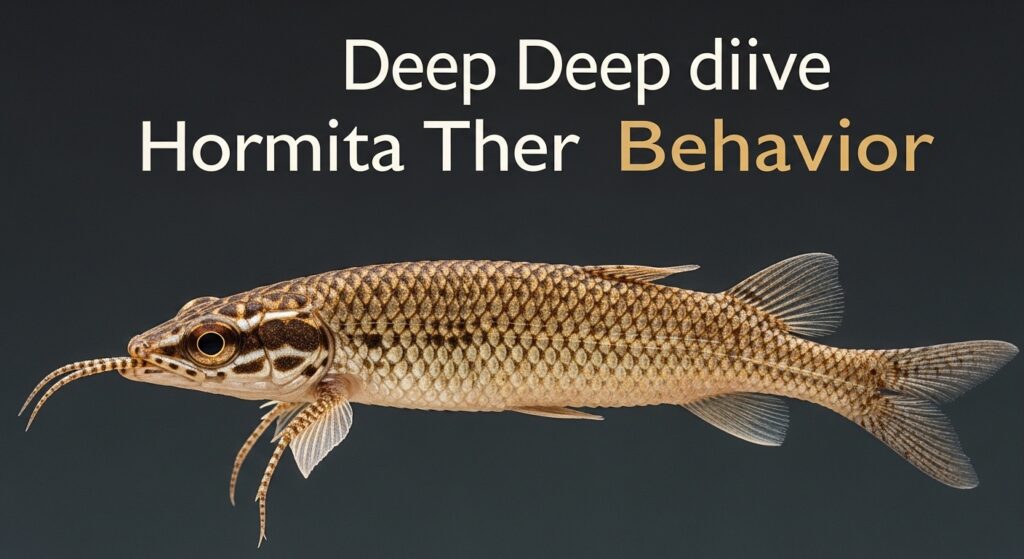
Hormita, often overlooked in the vast tapestry of nature, play a crucial role in maintaining the delicate balance of their ecosystems. These fascinating creatures are not just another name on the list of wildlife; they embody a world rich with complexity and intrigue. From their unique habitats to their intricate social structures, every aspect of Hormita life offers insights into survival and adaptation.
Learning about Hormita can deepen our understanding of ecological dynamics. By exploring how they interact with their environment and other species, we begin to appreciate their importance beyond mere existence. Join us as we embark on an enlightening journey into the habitat and behavior of these remarkable beings—discovering why they matter more than you might think!
Habitat and Distribution of Hormita
Hormita thrive in diverse habitats, showcasing their adaptability. They can be found in dense rainforests, arid deserts, and even coastal regions. Each environment brings unique challenges that Hormita have learned to navigate.
Their distribution spans several continents. From the lush jungles of South America to the sun-bleached landscapes of Africa, these creatures are a testament to nature’s ingenuity.
In urban areas, Hormita have also made an appearance. They adapt remarkably well to human-altered environments. This flexibility allows them access to new resources while presenting intriguing opportunities for study.
Understanding where Hormita live helps researchers grasp how they interact with other species around them. Their habitats play a crucial role in shaping their behavior and survival strategies as they learn from each ecosystem’s demands.
Physical Characteristics and Adaptations for Survival
Hormita are fascinating creatures, boasting a range of physical traits that enhance their survival in diverse environments. Their bodies exhibit unique coloration patterns that help them camouflage among the foliage and rocks.
These adaptations serve as effective defense mechanisms against predators. The Hormita’s robust exoskeleton provides both protection and structural support, allowing it to navigate harsh terrains with ease.
In addition to physical defenses, they possess specialized appendages. These limbs are designed for climbing and grasping, enabling them to reach food sources high above ground or hidden within crevices.
Their sensory organs are finely tuned for detecting changes in their surroundings. This heightened awareness allows Hormita to respond swiftly to potential threats or opportunities for feeding.
All these characteristics have evolved over generations, showcasing the incredible ingenuity of nature in ensuring survival amidst challenges.
Social Structure and Communication among Hormita
Hormita exhibit a fascinating social structure that is both complex and dynamic. Living in colonies, they rely on cooperation for survival and resource sharing.
Hierarchy plays a significant role within these groups. Dominant individuals often dictate the colony’s movements and foraging strategies, while subordinates perform essential tasks like grooming and nest maintenance.
Communication among Hormita is intricate; they use pheromones to convey information about food sources or threats nearby. Visual signals also play a part, with body postures indicating readiness to engage or retreat.
Vocalizations are another aspect of their communication repertoire. These sounds can alert other members of danger or even coordinate group activities during foraging expeditions.
This rich tapestry of interaction not only strengthens colony bonds but enhances their adaptability in various environments. The nuances of Hormita communication reveal much about their intelligence and social behavior.
Reproduction and Life Cycle of Hormita
The reproduction of Hormita is a fascinating process that showcases their adaptability. Mating usually occurs during specific seasons, influenced by environmental cues like temperature and food availability.
Hormita engage in elaborate courtship displays to attract mates. These rituals often include vibrant color changes and intricate movements that demonstrate fitness and vitality.
Once paired, females lay eggs in safe, sheltered locations within their habitat. This strategic choice protects the offspring from predators while ensuring optimal conditions for development.
After hatching, young Hormita are vulnerable but quickly learn essential survival skills through observation. They rely on parental guidance for crucial lessons about food sources and navigating their environment.
As they grow, Hormita undergo several life stages. Each phase brings unique challenges and adaptations, helping them thrive in diverse ecosystems throughout their lifespan. The journey from egg to adult is both perilous and remarkable.
Interactions with Other Species in Their Habitat
Hormita engage in a complex web of interactions within their ecosystem. They share their environment with various other species, forming crucial relationships that influence survival.
One notable interaction is with pollinators. Hormita often rely on insects and birds for the transfer of pollen, ensuring successful reproduction. This mutualistic relationship benefits both parties.
Predatory dynamics also come into play. Some animals prey on Hormita, while they have developed specific adaptations for evasion and defense. Their ability to camouflage or flee quickly enhances their chances against potential threats.
Additionally, competition among species can be fierce in these habitats. Hormita must vie for resources like food and shelter against rival organisms, shaping their behaviors and social structures.
These interactions highlight the delicate balance within ecosystems where Hormita reside, underscoring their role as both contributors to the habitat and participants in its ongoing drama.
Threats to the Survival of Hormita and Conservation Efforts
Hormita face a range of threats that jeopardize their survival. Habitat destruction, driven by urbanization and agriculture, severely impacts their natural environments. As forests are cleared, these creatures lose the essential resources they need to thrive.
Pollution is another critical issue. Contaminants in soil and water can disrupt their biological processes and diminish food sources. This further stresses an already vulnerable population.
Climate change also poses significant risks to Hormita habitats. Altered weather patterns affect the availability of food and suitable breeding grounds.
Conservation efforts are underway to protect them. Organizations focus on habitat restoration and pollution control initiatives, aiming to create safer environments for these species.
Community engagement plays a vital role too, with educational programs raising awareness about Hormita’s ecological importance. Collaborative strategies between scientists, local communities, and policymakers strive to ensure a sustainable future for this remarkable group of organisms.
Fascinating Facts about Hormita
Hormita are known for their remarkable adaptability. These creatures can thrive in diverse environments, from dense forests to arid deserts. Their ability to adjust helps them avoid extinction.
One intriguing aspect is their unique feeding habits. Hormita often forage in groups, which enhances their chances of finding food while also providing protection against predators.
Their vibrant colors serve multiple purposes as well. Not only do they attract mates, but these hues also warn potential threats about their toxicity.
Another fascinating feature is their intricate nesting behavior. Some species construct elaborate burrows that shelter entire communities and provide safe spaces for rearing young.
Hormita possess a keen sense of smell that aids in communication and locating food sources. Each interaction within the group relies heavily on this olfactory prowess, showcasing just how interconnected they truly are.
Why Studying Hormita is Essential for Understanding
Studying Hormita offers valuable insights into ecosystem dynamics. These creatures play a crucial role in nutrient cycling, which supports plant growth and overall habitat health.
Understanding their behavior helps scientists predict environmental changes. As indicators of ecosystem stability, Hormita can reveal shifts caused by climate change or human activity. Their presence—or absence—can signal the well-being of entire ecosystems.
Moreover, research on Hormita contributes to biodiversity knowledge. Each species brings unique traits that enhance resilience against environmental stressors. This information is vital for conservation strategies as habitats face increasing threats.
Additionally, studying these organisms fosters appreciation for nature’s complexity. By exploring their lives, we gain a deeper understanding of interconnections within the environment. Insights gained from Hormita enrich our knowledge about life on Earth and inspire efforts to protect it effectively.
Conclusion
Exploring the world of Hormita opens up a fascinating window into their complex lives and ecosystems. These creatures play a crucial role in maintaining ecological balance, making them important subjects for study. Understanding their habitat, social dynamics, and interactions with other species enhances our knowledge of biodiversity.
The physical adaptations that allow Hormita to thrive demonstrate the wonders of evolution. Their social structure reveals intricate communication methods that can inspire new insights into animal behavior.
However, threats to their survival cannot be overlooked. Conservation efforts are essential not just for protecting Hormita but also for preserving the delicate ecosystems they inhabit. Through education and awareness, we can help ensure these remarkable beings continue to flourish.
Studying Hormita is more than an academic interest; it’s key to grasping broader environmental issues. Each discovery contributes to our understanding of life on Earth and reinforces the interconnectedness of all species within an ecosystem. Embracing this knowledge empowers us as stewards of nature, reminding us that every creature holds significance in the web of life.