



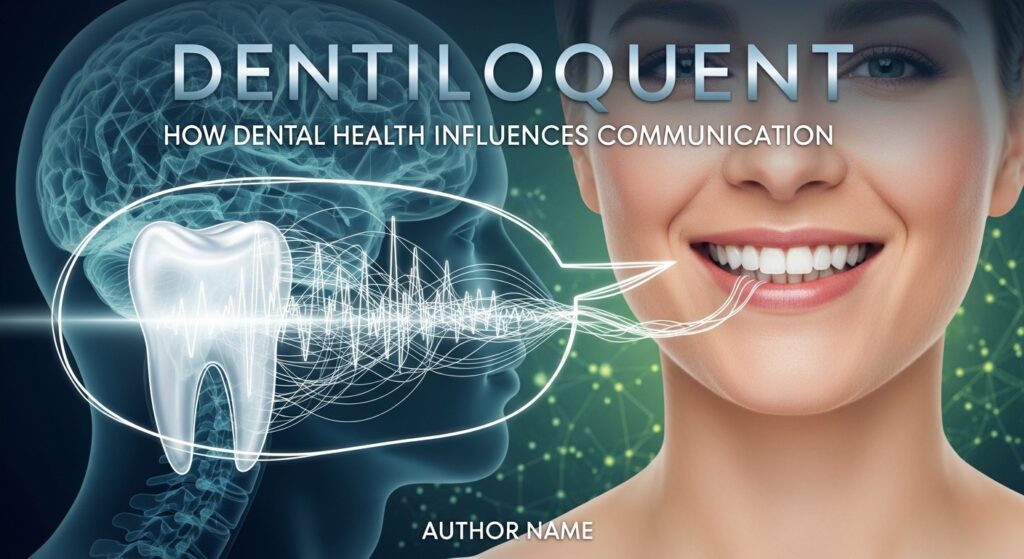
Welcome to the world of Dentiloquent, where dental health and communication intertwine in unexpected ways. Have you ever considered how your smile affects the way you express yourself? Whether it’s a warm greeting or a fervent debate, our teeth play a crucial role in how we articulate words and convey emotions. A healthy mouth not only promotes clear speech but also boosts confidence—two key elements for effective communication. Let’s dive into why maintaining good dental health is essential for being truly dentiloquent!
The Connection between Dental Health and Communication
Dental health plays a crucial role in how we communicate. Our teeth, gums, and overall oral hygiene significantly impact our ability to articulate words clearly.
Good dental health fosters confidence when speaking. When individuals feel secure about their smiles, they are more likely to engage in conversations without hesitation or embarrassment.
Conversely, poor dental conditions can inhibit expression. Issues like gum disease or cavities may lead to discomfort that affects speech patterns. Mispronunciations can become common as people try to adjust their mouths for pain relief rather than clear communication.
Moreover, the visual aspect of smiling is vital in social interactions. A healthy smile invites connection and warmth; it encourages openness and engagement from others around us. Therefore, maintaining good oral hygiene isn’t just about physical wellness—it’s also essential for effective communication with those we encounter daily.
How Poor Dental Health can Affect Speech
Poor dental health can significantly impact speech clarity. When teeth are missing or decayed, articulation becomes challenging. Sounds like “s,” “t,” and “th” may become distorted.
Gaps in the mouth lead to improper airflow, making it hard to pronounce words correctly. This can make conversations frustrating for both the speaker and listener.
Moreover, dental pain often accompanies poor oral health. Discomfort while speaking can deter individuals from engaging in conversations altogether.
In addition, a lack of confidence arises when someone feels self-conscious about their smile. Hesitation to speak up diminishes social interactions and creates barriers in personal and professional settings.
Addressing these issues early on is crucial for restoring not just communication but also overall quality of life.
The Impact of Missing Teeth on Confidence and Expression
Missing teeth can profoundly influence a person’s self-esteem. When someone has gaps in their smile, they often feel self-conscious. This unease can lead to avoiding social situations or even withdrawing from conversations altogether.
Expressions are central to human interaction. A confident smile conveys warmth and approachability. Without it, individuals may struggle to communicate effectively. They might cover their mouths while speaking or avoid laughing entirely.
The psychological effects extend beyond mere appearance. Fear of judgment can overshadow daily interactions, causing stress and anxiety. As communication is fundamental for building relationships, missing teeth can create barriers that hinder both personal and professional growth.
Restoring dental health not only enhances smiles but also rekindles confidence in expression—allowing individuals to reconnect with the world around them more freely.
Strategies for Improving Dental Health and Communication
Improving dental health requires a commitment to daily routines. Brushing your teeth twice a day is essential. Use fluoride toothpaste for maximum effectiveness.
Flossing should not be overlooked either. It removes plaque and food particles from between teeth, areas that toothbrushes often miss.
Regular dental check-ups play a crucial role in maintaining oral hygiene. These visits help catch issues before they escalate into more significant problems.
Consider mouthguards if you grind your teeth at night or engage in sports activities. Protecting your smile can enhance both health and confidence.
Additionally, nutrition impacts dental wellness significantly. A balanced diet rich in calcium, vitamins C and D supports healthy gums and strong enamel.
Stay hydrated as well—water helps wash away food particles and bacteria throughout the day, keeping breath fresh while promoting overall oral health.
The Role of Dentists in Promoting Dentiloquence
Dentists play a crucial role in promoting dentiloquence. Their expertise goes beyond treating cavities and aligning teeth; they help patients find their voice.
Regular check-ups ensure dental health is maintained, which directly impacts communication. Dentists can identify potential issues early on before they affect speech or confidence.
Moreover, education is key. A skilled dentist will take the time to explain how oral health connects to clear speech. They empower patients with knowledge about proper care and hygiene practices.
Cosmetic dentistry also enhances communication by addressing aesthetic concerns that may hinder expression. When individuals feel good about their smiles, they’re more likely to engage confidently in conversations.
Additionally, dentists can collaborate with speech therapists when necessary. This multidisciplinary approach ensures comprehensive support for those struggling with communication due to dental issues.
Conclusion
Dental health plays a pivotal role in communication, and understanding this connection can change lives. When we talk about being dentiloquent, we refer to the impact that our oral health has on how effectively we express ourselves. Individuals with dental issues often face challenges in speech clarity and confidence.
The repercussions of poor dental hygiene are vast. Speech impediments arising from missing or damaged teeth can hinder personal interactions and professional opportunities alike. A confident smile is not just aesthetically pleasing; it also empowers individuals to engage with others freely.
Improving one’s dental health can lead to better communication skills. Regular visits to the dentist, practicing good oral hygiene, and considering restorative treatments are essential steps towards enhancing both appearance and articulation.
Dentists play an instrumental role in promoting these ideals. They not only provide necessary care but also educate patients on maintaining optimal oral health for improved speech clarity and self-esteem.
Understanding the relationship between dental health and communication highlights its importance in our daily lives. By prioritizing our smiles, we open up pathways for more effective expression and connection with those around us. Embracing a dentiloquent lifestyle fosters confidence that transcends mere words—it’s about truly being heard.