



When it comes to fashion, every detail matters. From fabric choices to color palettes, designers meticulously curate each element to create stunning garments. One often overlooked aspect that plays a crucial role in both durability and style is the Nahttypen—or stitch types used in construction. These seemingly small details can make or break an outfit’s longevity and visual appeal. In this blog post, we’ll take a closer look at the various Nahttypen available and explore how they influence everything from wearability to aesthetic charm. Whether you’re a designer, seamstress, or simply a fashion enthusiast curious about what goes into your clothing, understanding these stitches will enhance your appreciation for the craftsmanship behind every piece you wear. Let’s dive into the world of Nahttypen!
Understanding Nahttypen (stitch types)
Nahttypen, or stitch types, are the essential building blocks of garment construction. They determine not only how well a piece holds together but also its overall look and functionality. Each type has its unique characteristics tailored for different applications. For example, straight stitches offer strength and are commonly used in seams. Zigzag stitches provide flexibility, making them perfect for stretchy fabrics like knits. Meanwhile, decorative stitches can enhance visual appeal while serving practical purposes.
Understanding Nahttypen is crucial for both designers and consumers alike. It helps in selecting garments that will stand up to wear and tear while maintaining style integrity. The right stitch type can transform a basic piece into a fashion statement or ensure that everyday wear lasts season after season.
The Different Types of Nahttypen
Nahttypen, or stitch types, play a crucial role in garment construction. Understanding the various types can enhance both functionality and aesthetics. One common type is the straight stitch. This versatile option is often found in everyday clothing. It provides strength and stability to seams. Zigzag stitches are another popular choice. They offer stretch, making them ideal for knit fabrics that need flexibility during movement.
Overlock stitches take it a step further by finishing raw edges to prevent fraying. These are often used in activewear and casual garments for added durability. For decorative purposes, you might encounter topstitching or embroidery techniques that elevate style while serving functional roles as well. Each nahttyp serves its purpose, contributing uniquely to the garment’s overall performance and look. The right selection can make all the difference in creating stylish yet long-lasting pieces.
Importance of Choosing the Right Nahttypen
Choosing the right Nahttypen can make or break a garment. The stitching not only affects durability but also influences the overall feel and finish of clothing.
Different fabrics require specific types of stitches to ensure they hold up over time. A lightweight fabric might need a delicate stitch, while heavier materials may demand something sturdier. This choice impacts how well the garment will withstand wear and tear.
Additionally, the right Nahttypen enhances comfort. For example, flatlock seams reduce bulk and friction against the skin, making them ideal for activewear.
Aesthetic appeal is another vital aspect. Unique stitches can add visual interest or even serve as design features on garments. Thus, selecting an appropriate stitch type contributes significantly to both function and fashion in your wardrobe choices.
Factors to Consider When Choosing Nahttypen for Garment Durability
When selecting Nahttypen, consider the fabric type. Different materials require specific stitching methods for optimal durability.
Next, assess the garment’s intended use. Activewear needs more robust stitches than casual clothing to withstand movement and stress.
Thread quality plays a crucial role too. High-quality threads resist fraying and breaking, contributing to longer-lasting seams.
Also think about seam placement. Strategically positioned stitches can enhance strength in high-stress areas like armholes or crotches.
Take into account maintenance. Some stitch types may be easier to repair or reinforce than others if wear occurs over time.
Every choice impacts how well your garments stand up against daily wear and tear while maintaining their aesthetic appeal.
How Nahttypen Affects Style and Aesthetics of Garments
The choice of Nahttypen plays a crucial role in defining the style and aesthetics of garments. Different stitch types can transform a simple piece into something extraordinary.
For instance, delicate stitches add an air of elegance to dresses and blouses. They create soft lines that flow beautifully with movement. On the other hand, bold stitching can give garments a more structured and avant-garde appearance.
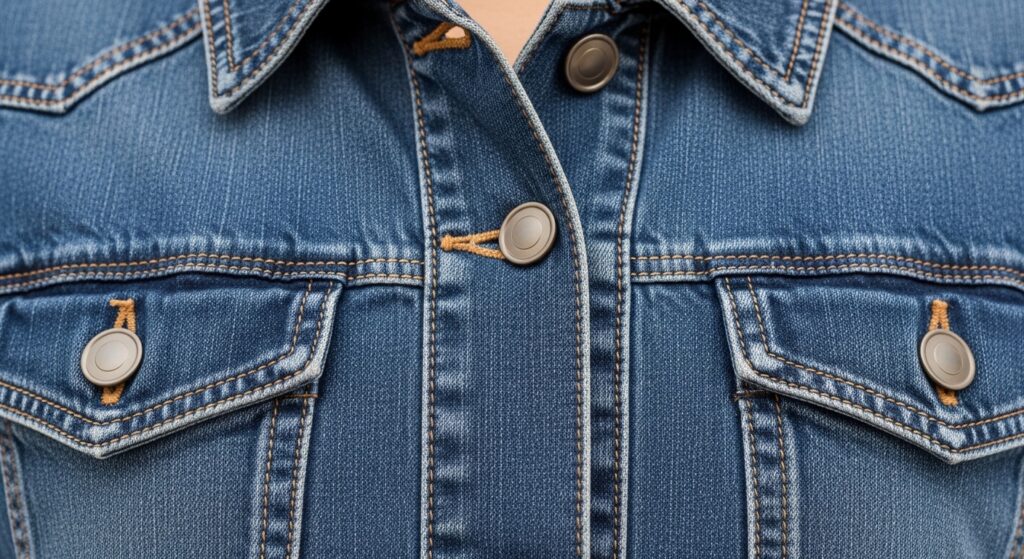
Consider denim jackets adorned with topstitching; this technique not only enhances durability but also adds character to casual wear. The visible seams become part of the design narrative, contributing to its rugged charm.
Color selection for threads used in naht is equally important. A contrasting thread color can make stitches pop, turning them into eye-catching details instead of mere functional elements.
How different Nahttypen are employed influences both the visual appeal and emotional connection consumers feel towards their clothing choices.
Case Studies: Examples of Successful Use of Nahttypen in Fashion Industry
A remarkable example of Nahttypen in the fashion industry is the use of flatlock stitching in activewear. Brands like Lululemon have mastered this technique, allowing for seamless movement and comfort without sacrificing durability. This stitch type minimizes chafing during workouts, making it a favorite among athletes.
Another standout case involves luxury brands utilizing decorative stitches to enhance their designs. Gucci often employs contrasting thread colors with intricate embroidery that not only showcases craftsmanship but elevates style as well.
Moreover, denim labels frequently leverage chain stitching for jeans. This method contributes both to longevity and a vintage aesthetic that appeals to consumers looking for authenticity in their garments.
These examples illustrate how thoughtful integration of different Nahttypen can elevate product quality while enhancing visual appeal across various markets within the fashion industry. Each choice impacts wearability and consumer perception significantly.
Conclusion
Choosing the right Nahttypen is essential for anyone involved in garment production or fashion design. The type of stitch affects not only the durability of a piece but also its overall aesthetic. A thoughtful approach to selecting stitching methods can enhance both functionality and style, ensuring that garments stand the test of time while making a statement.
As we’ve seen through various examples in the industry, successful designers understand how crucial these decisions are. They know that combining different Nahttypen can create unique textures and visual interest, setting their creations apart from others.
Whether you’re designing your own clothes or just curious about what goes into garment creation, paying attention to Nahttypen will undoubtedly elevate your understanding and appreciation of fashion. After all, every stitch tells a story—make sure it’s one worth sharing.